

Looking for a big-screen TV that delivers stunning picture quality without breaking the bank? The Hisense 65U8H QLED 4K TV might be just what you need.
With its vibrant Quantum Dot colors, bright Mini-LED backlighting, and smart features powered by Google TV, this 65-inch model promises to elevate your viewing experience. Whether you’re watching movies, sports, or gaming, this TV offers sharp details and rich contrast that can bring every scene to life.
Curious if it’s the right fit for your home? Keep reading to find out how the Hisense 65U8H stacks up against pricier options and whether it’s worth your investment.
Introduction To The Hisense 65u8h QLED 4k TV
The Hisense 65U8H QLED 4K TV offers a sharp, vibrant viewing experience with advanced technology. This TV combines Quantum Dot color and Mini-LED backlighting to deliver bright, rich images.
It suits users who want high picture quality without a high price. This model stands out for its smart features and impressive HDR performance. It is designed to meet the needs of everyday viewers seeking excellent value and modern functionality.
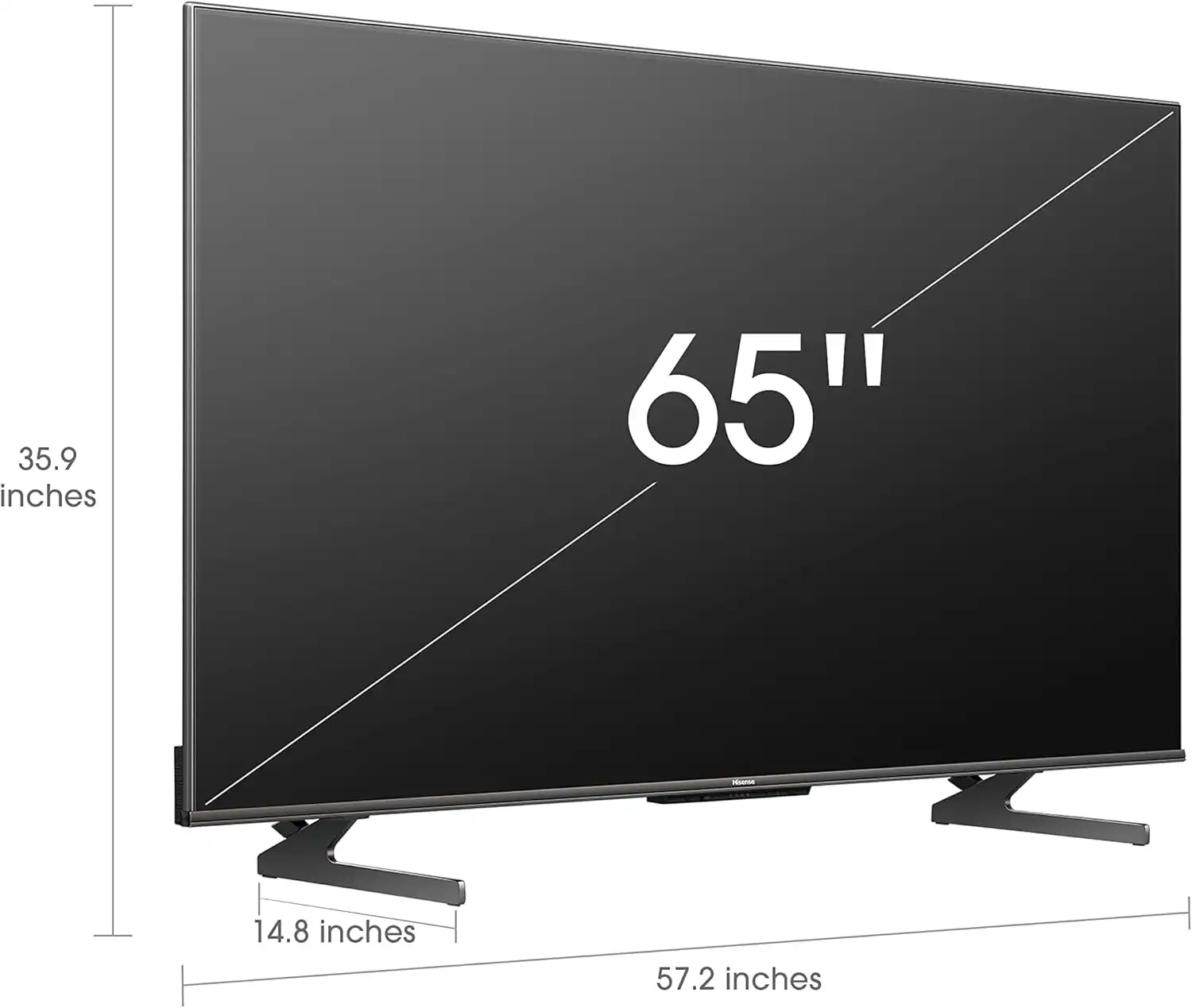
Hisense 65U8H: In-Depth Review & Analysis (2026)
At a glance — what this TV is really about
Panel / Backlight: 65″ 4K VA-class panel with Mini-LED backlighting and full-array local dimming
HDR / Color: Supports Dolby Vision (incl. Dolby Vision IQ), HDR10+, HDR10, and HLG — with a wide color gamut and high peak brightness, enabling strong HDR performance.
Brightness: Manufacturer-spec at “up to 1500 nits,” though real-world testing often sees ~1775 nits on a 10% white window — enough to rival many higher-end mini-LED sets.
Smart Platform: Runs Google TV (an updated interface over older Android TV), giving you a modern smart-TV experience with wide app support.
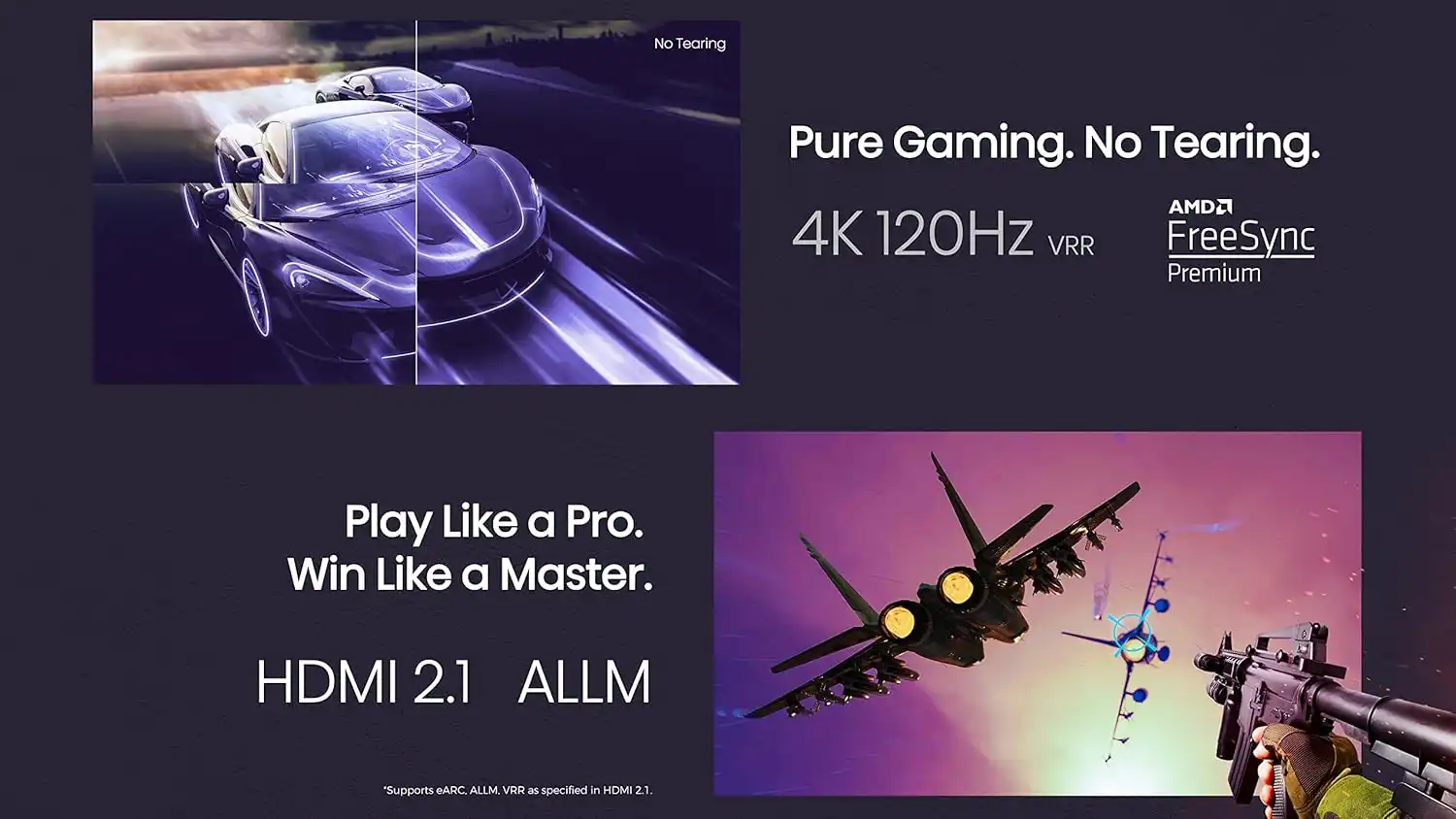
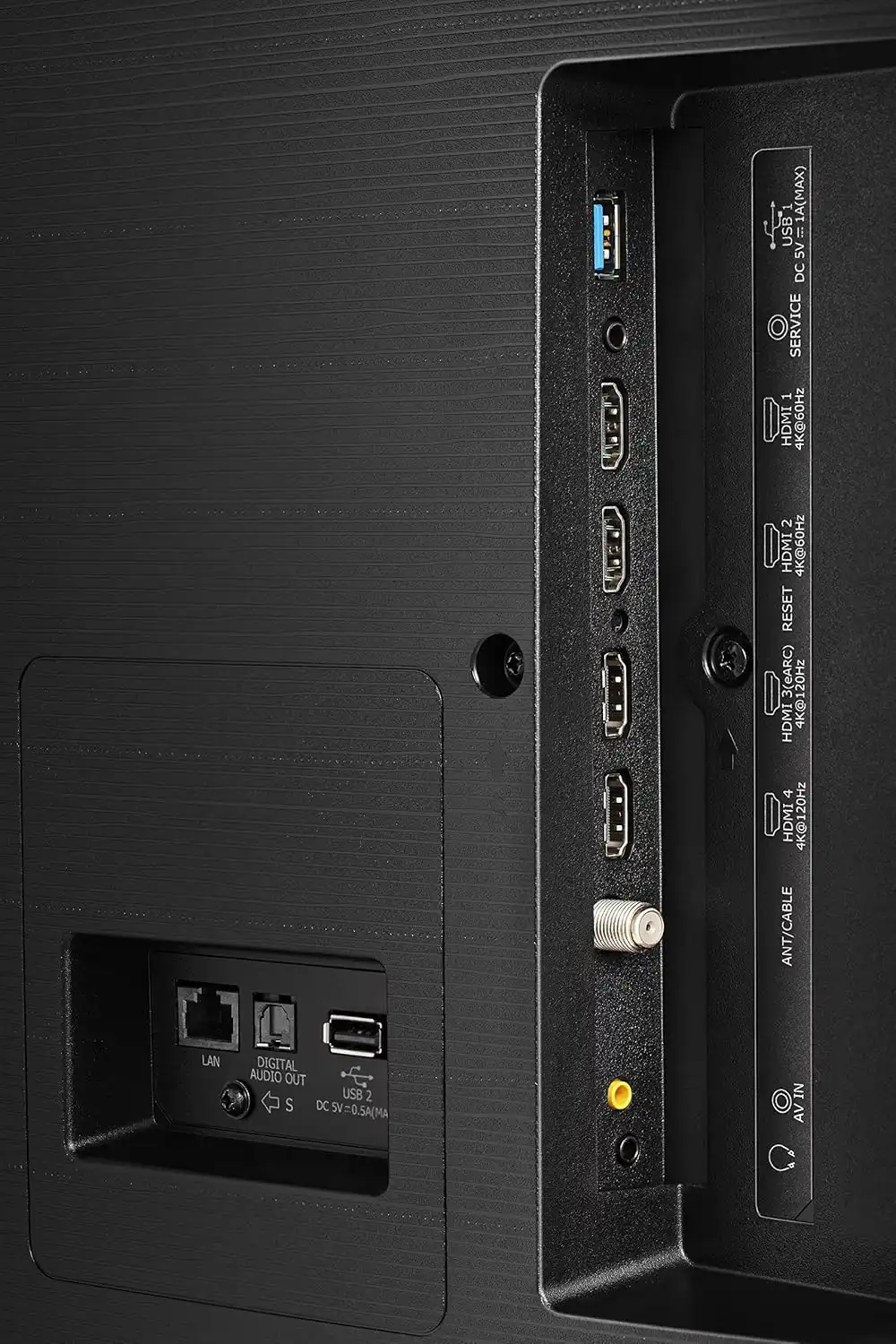
Gaming / Motion: 120 Hz native refresh + HDMI 2.1, VRR (Variable Refresh Rate), ALLM (Auto Low Latency Mode), and low input lag — strong support for modern consoles and gaming.
Audio: Built-in speakers with decent output for a thin TV panel; better than typical budget TVs, but still “just average” compared to a full home theater setup.
In short: the U8H isn’t some stripped-down “budget” TV. It’s more of a “value-flagship” — a model that delivers many premium-class features (mini-LED, high brightness, Dolby Vision, 120 Hz + HDMI 2.1) at a price point below most flagship OLEDs or high-end QLEDs.
Where the U8H Shines (Strengths): Hisense 65u8h QLED 4k TV Review
Exceptional Brightness & HDR — Great for Movies, HDR Content, and Bright Rooms
One of the biggest stand-out features of the U8H is how bright it gets, while still maintaining good contrast thanks to local dimming. Independent testing measured ~1,775 nits on a 10% white window during HDR — higher than the advertised “up to 1500 nits” and more than many competing sets at its price range.
This makes the TV particularly well-suited for:
HDR movies and 4K streaming — bright highlights (sun glare, explosions, bright skies) pop dramatically while blacks stay deep
Watching in bright rooms or mixed lighting conditions — glare and ambient light are better handled than on most standard LED or entry-level QLED TVs
Daytime viewing, sports, or family rooms with windows — the brightness helps maintain vibrancy even without ideal lighting control.
The wide color gamut and support for multiple HDR formats (Dolby Vision, HDR10+, etc.) also mean you’re getting cinematic-level color depth and dynamic range.
Read: Hisense 65” Class U6 Series ULED 4K UHD Smart Fire TV Review
Strong Contrast & Black Levels for an LCD — Great for Dark Room Viewing
Because of the mini-LED backlight and aggressive local dimming, the U8H delivers deep blacks and high contrast levels that — for many scenes — approach what you’d expect from far pricier TVs.
For movies, especially those with darker cinematography (space scenes, noir, moody thrillers), the result is impressive shadow detail, rich blacks, and strong dynamic range — without the “washed out” blacks common in many LED TVs.
Full-Fledged Smart TV Platform (Google TV) and Everyday Convenience
The U8H runs Google TV, which – compared with older Hisense sets – offers a modern, responsive smart TV experience:
Smooth navigation, quick app loading, and better responsiveness than older Android-TV platforms.
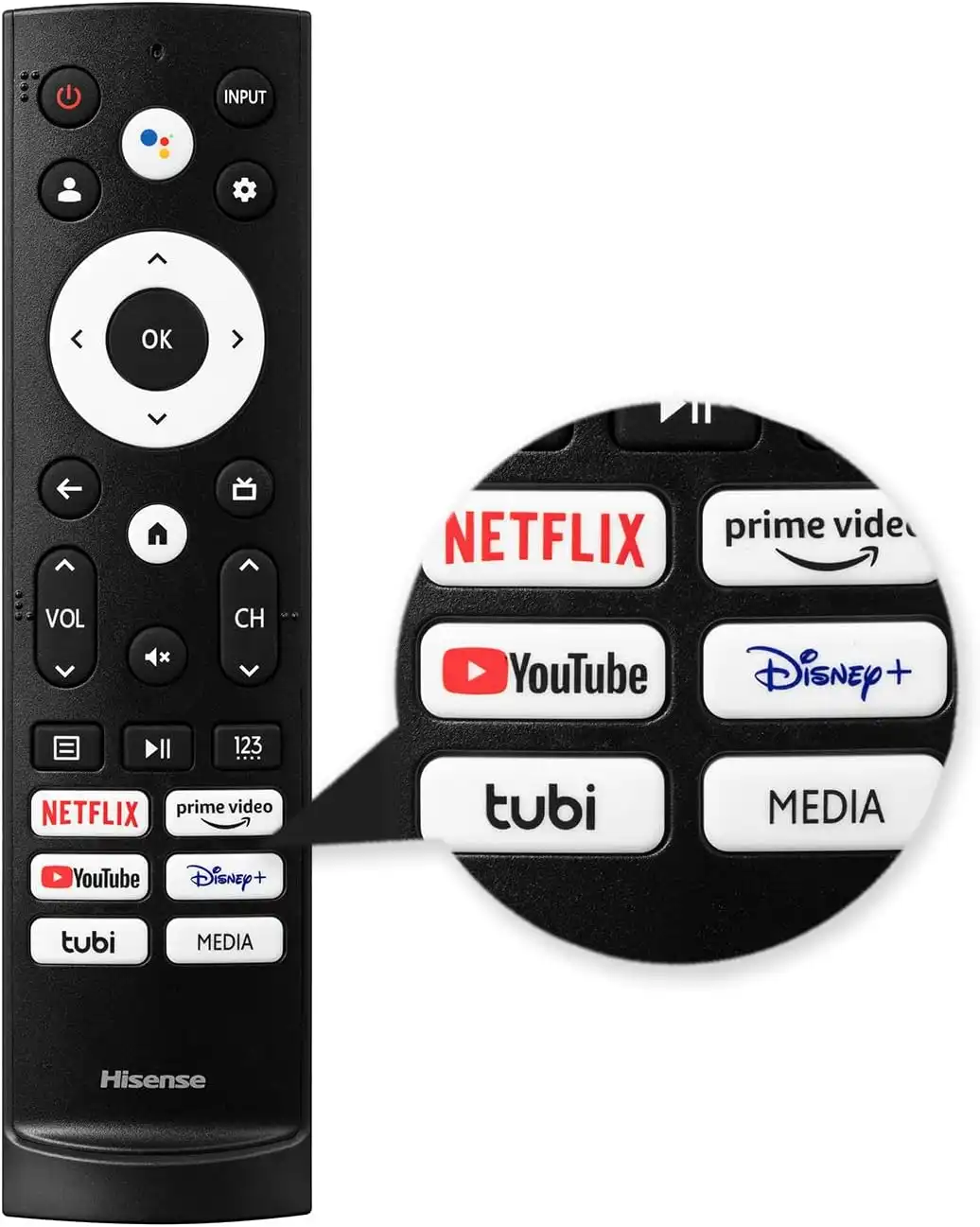
Access to wide streaming app library (Netflix, Disney+, Prime Video, etc.), plus built-in support for smart-home ecosystem via Google Assistant / optional Alexa integration.
For many users, this means you don’t immediately need a streaming device — the TV itself is capable and future-proof for typical streaming workflows.
Great for Gaming & Fast-Moving Content (Sports, Games, Action Movies)
Thanks to its 120 Hz panel, HDMI 2.1 support, and gaming-friendly features (VRR, ALLM), the U8H is a very competitive gaming TV even in 2026.
Tested performance shows:
Low input lag and fast response times — games (on consoles or PC) feel responsive and smooth.
Solid motion handling for sports and action scenes — fast pans, quick camera shifts, and rapid movements (e.g. in football, racing, shooters) stay clear and mostly blur-free.
For the price, this kind of gaming performance used to be reserved for high-end TVs — which makes U8H a seriously good value for gamers.
Read: Hisense 75” Class U6 Series ULED 4K UHD Smart Fire TV Review
Audio That Punches Above Typical “Thin Panel TV” Level (For Non-Audiophiles)
While you shouldn’t expect a built-in theater-class sound system, several reviewers note that U8H’s onboard speakers are better than average for a thin LCD TV: balanced mid-range, decent bass for dialogue and everyday viewing, and acceptable clarity for casual use.
If you’re not investing in a sound system or soundbar right away, U8H’s sound is “good enough” for many living-room scenarios.
Where the U8H Falls Short (Trade-offs & Limitations)
Narrow Viewing Angles — Off-Center Viewing Degrades Picture Quality
Because the U8H uses a VA-class panel, it sacrifices viewing angle compared to IPS or OLED. Several independent reviews note — and warn — that colour saturation and contrast degrade quickly when you move off-axis.
This makes the U8H less ideal if:
You have a wide seating arrangement (e.g. many people watching from side-seats), or
You often move around while watching
In that case, some side-seated viewers may notice washed-out colours or reduced blacks.
Read: Optoma HD143X Affordable High Performance 1080p Projector Review
Upscaling and Low-Resolution Content Can Look Soft
If you frequently watch non-4K content (standard cable TV, DVDs, older shows, 1080p streaming), U8H’s upscaling and motion handling are good but not perfect. Reviewers observed softness, occasional banding, and less-than-ideal smoothing on low-resolution material.
This might not matter for newer 4K/UHD sources — but for older content, you may need to manage expectations or tweak settings.
Blooming / Backlight Artifacts in Some Scenes
Despite its strong dimming, like many Mini-LED TVs, U8H can show blooming around bright objects on dark backgrounds (e.g. bright headlights against night sky, glowing subtitles over dark scenes).
This is common among high-end Mini-LED TVs, but compared to entry-level LED TVs — still a big upgrade. Still, in very contrast-heavy scenes, some halo or light bleed may be noticeable.
Sound Is Good for Basic Use — Not Enough for Home Theater
While its speakers are decent for everyday use, U8H’s built-in sound won’t compete with a dedicated sound system or soundbar. For cinematic-quality audio or immersive Dolby Atmos experiences, an external sound solution is strongly recommended.
Aging Model — Newer Mini-LED Sets Are Already Out (2024/2025)
As of 2025, the U8H is no longer a “fresh new flagship” from Hisense. Its successors (e.g., the Hisense U8QG Mini-LED TV and other “U8-series” models) bring incremental improvements — especially in dimming precision, processing, and sometimes refresh / feature sets.
That said: if you find U8H at a discount (clearance, used, or promotional), it remains a very capable “value-flagship”. But if price delta to newer models is small, newer models may offer better long-term value.
Calibration & Setup Tips (for Best Real-World Use)
If you want to get the most out of U8H, some basic tuning helps — especially given its brightness, gamma, and panel type. Based on reviews + calibration guides from reviewers:
Use Filmmaker Mode (or Cinema mode) for the most accurate colors and best HDR tone mapping. This avoids over-processing and excessive motion smoothing.
For HDR content, consider enabling Peak Brightness only when necessary — constant “max-backlight” can lead to eye strain in dark rooms and may crush shadow details.
If watching in a bright room: leave backlight fairly high, but avoid direct light reflecting on the screen; position the TV to minimize glare.
For gaming: make sure VRR + ALLM are enabled; hook via HDMI 2.1 port; disable motion smoothing / noise reduction to avoid added input lag or weird artifacts (especially for competitive or fast-paced games).
For viewing angle limitations: aim for centered seating; avoid wide-angle viewing when possible, or consider seating arrangement adjustments if you often have multiple viewers from the side.
Who Should Buy the U8H — and Who Should Consider Alternatives
Great If You:
Watch a lot of 4K HDR movies, streaming content, or sports, especially in a bright or mixed-lit room
Are a gamer using a next-gen console or PC and want 120 Hz, HDMI 2.1, VRR, low input lag — without spending OLED-money
Want a 65″ big screen with strong contrast + brightness + smart features — at a more accessible price than high-end models
Prefer a balanced package (good picture, smart TV, gaming, reasonable built-in audio) rather than the absolute “best black levels / viewing angles / sound”
Consider Alternatives If You:
Have a wide living room where viewers sit off-center often — viewing-angle limitations may disappoint
Watch mostly older or low-resolution content and care about top-notch upscaling and motion smoothing
Demand top-tier sound without a soundbar — built-in speakers may feel insufficient for cinematic experience
Want the most future-proof TV you can buy in 2025 — especially if newer Mini-LED sets or OLEDs are in budget
U8H vs 2026 Alternative Mini-LEDs (e.g. Hisense U8QG)
Because technology moves fast, it’s worth seeing how the U8H stacks against more recent releases:
The Hisense U8QG delivers improvements in brightness, contrast, and processing over the U8H — especially in dimming precision, HDR handling, and overall polish.
If the price gap is small (e.g. U8QG sale / discount), U8QG may offer better long-term value — especially if you care about future releases, prolonged use, or better upscaling.
That said, when U8H is discounted or used, its spec sheet and real-world performance still give very competitive value even in 2025 — particularly for buyers focused on brightness + HDR + gaming.
Final Verdict
The Hisense 65U8H remains a standout “value-flagship” 65″ TV in 2026. It’s not a top-of-the-line OLED, and it doesn’t pretend to be — but for what it is, it delivers premium-class brightness, color, HDR, gaming support, and smart connectivity at a price far below most high-end TVs.
If you find it on sale or at a discount, it’s hard to beat for:
HDR movies & streaming,
Bright-room viewing,
Gaming with next-gen consoles,
Large-screen entertainment without overspending.
That said, for buyers who want maximum longevity, top-tier processing, best possible dimming / black-level performance, or the most modern features, then a newer Mini-LED (or even mid-range OLED) might make more sense — especially if the price difference isn’t large.

– is a trusted tech reviewer who dives deep into the world of computing, home appliances, TVs, digital gear, and software lifetime deals. With a sharp eye for performance and value, he helps readers and buyers make smarter decisions through honest, data-driven reviews. Whether it’s the latest gaming rig, a must-have productivity tool, or a hidden lifetime deal gem, Billy breaks it all down—so you get the best tech without the guesswork.
